

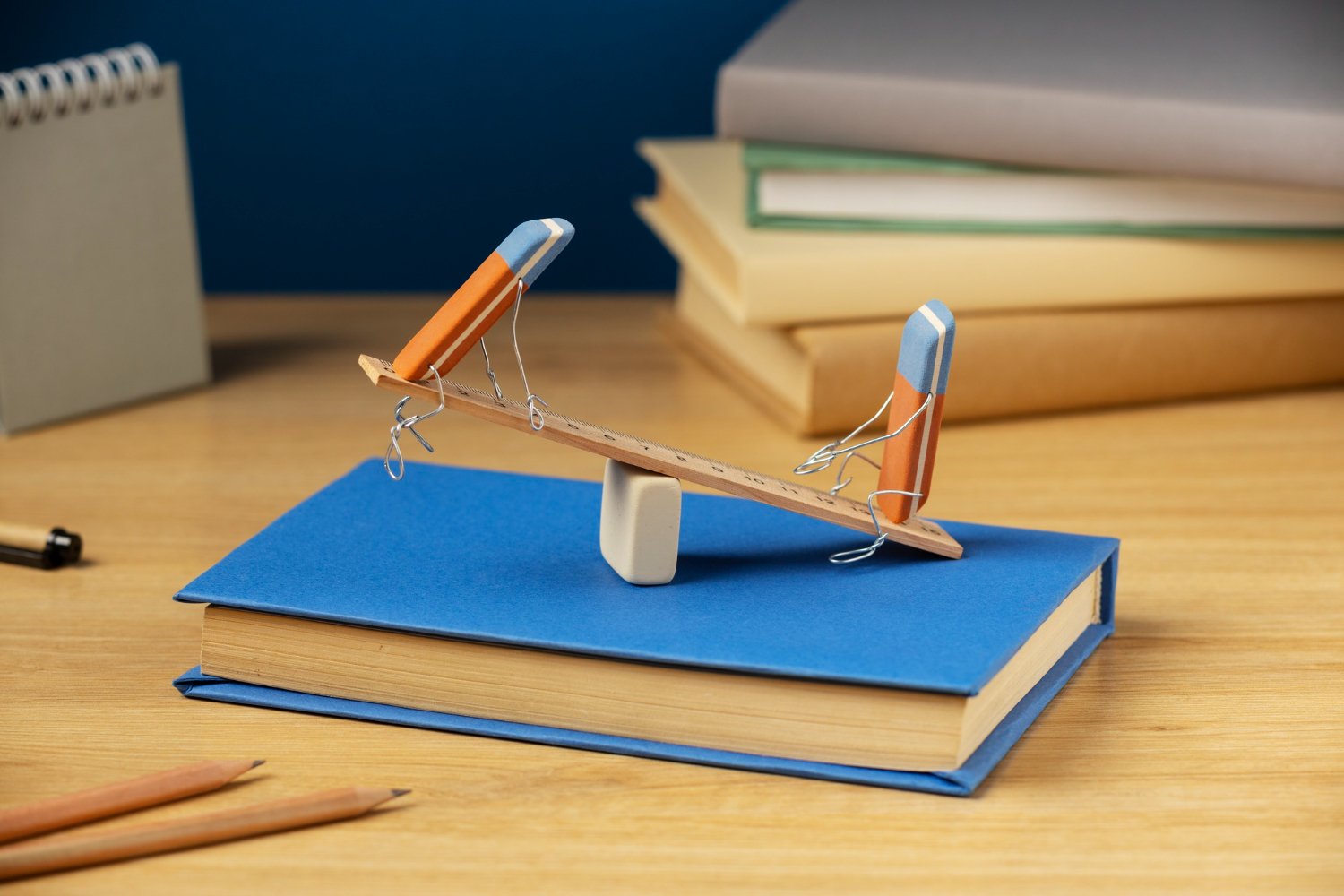
In today’s fast-paced world, maintaining a balance between work and personal life has become increasingly challenging. The rise of remote work, constant connectivity through smartphones, and high-performance expectations can make it difficult to switch off. Stress, fatigue, and burnout are becoming common issues for professionals and families alike.
Achieving work-life balance is not merely about managing your schedule—it’s about making intentional choices, setting boundaries, and prioritizing both your professional goals and personal well-being. This guide explores practical strategies to regain control, reduce stress, and foster a healthier, more fulfilling lifestyle.




1. Understand What Work-Life Balance Means
Work-life balance does not imply splitting your time equally between work and personal life. Instead, it is about creating a sustainable rhythm that allows you to meet your professional responsibilities while also having time for rest, hobbies, family, and self-care. Reflect on what balance means for you personally—it could involve adjusting work hours, delegating tasks, or dedicating certain days for family or personal projects.
2. Prioritize and Plan Your Tasks
Effective time management starts with identifying your priorities. List tasks based on urgency and importance, using tools like digital planners, calendars, or task management apps. By organizing your day around high-priority activities, you can focus on what truly matters and reduce the stress of last-minute pressures.
Tip: Use the “Eisenhower Matrix” to categorize tasks into urgent, important, or delegable to improve efficiency.
3. Set Clear Boundaries
In an era of remote work and constant notifications, separating professional and personal time is essential. Consider:
- Turning off work emails and notifications after hours.
- Creating a dedicated workspace at home to physically and mentally separate work from personal life.
- Communicating your availability clearly with colleagues and supervisors.
Boundaries help prevent work from spilling into personal time and protect your mental health.
4. Make Time for Yourself
Scheduling personal time is just as important as scheduling meetings. Whether it’s exercising, reading, walking outdoors, cooking, or practicing a hobby, dedicating time for yourself boosts overall well-being. Treat personal activities as non-negotiable appointments in your calendar to ensure they are prioritized.
5. Embrace Flexibility in Work Arrangements
Many employers in New Zealand now offer flexible work options, including remote work, hybrid schedules, and flexible hours. Use this flexibility to your advantage by planning your day to fit personal and professional priorities. Flexibility reduces commuting stress, allows more time for personal projects, and can improve productivity.
6. Manage Stress and Focus on Health
Work-life balance is closely tied to mental and physical health. Strategies to manage stress include:
- Practicing mindfulness or meditation to calm the mind.
- Exercising regularly to maintain physical health and reduce anxiety.
- Taking short breaks throughout the day to recharge.
Even small changes, such as a 10-minute walk or a breathing exercise, can make a significant difference in stress management.
7. Learn to Say No
Overcommitting is a major cause of burnout. It’s okay to decline extra projects, social invitations, or tasks that do not align with your priorities. Learning to say no ensures you can focus on what truly matters and maintain sustainable energy levels.
8. Build a Support System
You don’t have to manage everything alone. Seeking support from colleagues, friends, or family can help distribute responsibilities and provide emotional guidance. Support networks are essential for navigating high-pressure periods and maintaining balance.
9. Practice Reflection and Adjust Regularly
Work-life balance is not static; it changes with life circumstances, career demands, and personal goals. Regularly assess your schedule, commitments, and well-being. Ask yourself:
- Am I satisfied with my work-life balance?
- Which areas need improvement?
- What small changes can I make today for a healthier balance?
Reflection allows for conscious adjustments before stress or burnout builds up.
Conclusion:
Achieving a balanced life in a fast-paced world is a continuous process that requires self-awareness, planning, and intentional actions. By prioritizing tasks, setting boundaries, dedicating time for self-care, and seeking support, you can create harmony between work and personal life. Remember, balance is not a destination but a journey, and every small step towards it contributes to long-term well-being.
FAQs:
How can I maintain work-life balance in high-pressure jobs?
Focus on prioritization, set boundaries, and schedule regular breaks to prevent burnout. Delegating tasks and using flexible work options can also help.
What are practical ways to disconnect from work after hours?
Turn off notifications, establish a dedicated workspace, and engage in hobbies or relaxation activities to mentally separate work from personal life.
How often should I review my work-life balance?
At least once a month, or whenever life circumstances change. Reflection helps adjust priorities and maintain balance proactively.
Can technology improve work-life balance?
Yes, digital planners, task management apps, and productivity tools can help organize schedules and reduce stress if used wisely.
Is work-life balance the same for everyone?
No, balance is personal and varies depending on career, family responsibilities, and individual priorities. It requires customization to suit your lifestyle.
Disclaimer:
This article is intended for informational purposes only and does not constitute professional advice. Readers should seek guidance from relevant experts for specific career, health, or personal issues.