

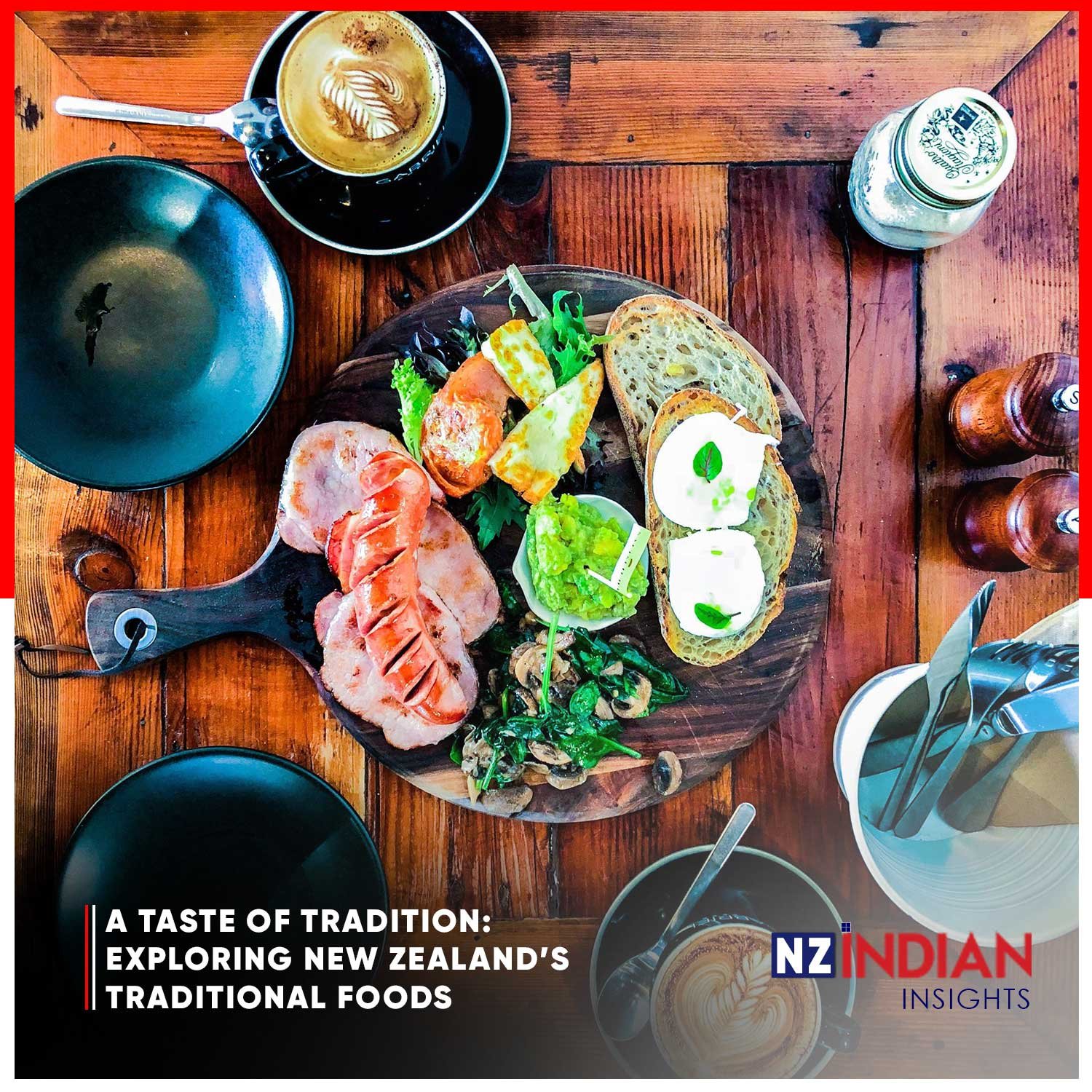
New Zealand’s food culture is a delicious reflection of its land, its people, and its history. From the smoky aromas of Māori earth ovens to the comforting taste of a colonial roast dinner, every dish tells a story of tradition, adaptation, and connection. Let’s take a journey through the traditional foods of Aotearoa — where heritage meets flavour.
The Roots: Māori Cuisine and its Deep Connection to the Land
Long before European settlers arrived, the Māori people developed a rich and sustainable food culture that celebrated nature. Their cuisine, known as kai Māori, was based on hunting, fishing, and gathering native plants.
Hāngi – The Heart of Māori Cooking
The hāngi is New Zealand’s most iconic traditional meal. Cooked underground using heated stones, it’s a feast of meat, root vegetables, and sometimes seafood. The food is wrapped in leaves or cloth and placed in the earth oven, where it steams slowly for hours, absorbing the smoky, earthy flavours.
Traditionally used for community gatherings and celebrations, the hāngi remains a symbol of unity, patience, and respect for the land.




Seafood – A Gift from Tangaroa
With long coastlines and rich marine life, seafood has always been central to Māori diets. Kaimoana (seafood) such as mussels, pāua (abalone), kina (sea urchin), crayfish, and snapper were prized delicacies. Māori gathered them using natural tools and shared them during special occasions.
Kumara – The Sweet Treasure
Brought by early Polynesian settlers, the kumara (sweet potato) became a staple crop. Māori cultivated it in northern and coastal regions, using ingenious methods to protect it from frost. Even today, roasted or mashed kumara remains a beloved part of the Kiwi dinner table.
Colonial Influences: A Blend of Old and New
When European settlers arrived in the 19th century, they brought new ingredients, cooking methods, and food traditions that soon merged with Māori cuisine.
The Kiwi Roast Dinner
Inspired by British Sunday roasts, the Kiwi version features lamb or beef, roast potatoes, kumara, and seasonal vegetables. Served with gravy and mint sauce, it became a national comfort meal — simple, hearty, and family-focused.
The Meat Pie
New Zealanders are passionate about their pies! From the classic mince and cheese pie to gourmet versions filled with steak, bacon, and mushrooms, pies are a staple of Kiwi culture. They’re found in every bakery, servo, and café — the perfect grab-and-go comfort food.
Pavlova – The Sweet Rivalry
No Kiwi celebration is complete without a pavlova, the meringue-based dessert topped with whipped cream and fresh fruit. While Australia also claims its origin, New Zealanders proudly embrace it as their own — a light, fluffy symbol of summer festivities.
Modern Fusion: Where Tradition Meets Creativity
Today’s New Zealand food scene is a melting pot of cultures — Māori, British, Pacific, and Asian influences all blend together beautifully. Modern chefs celebrate kai Māori by giving it a contemporary twist, highlighting indigenous ingredients like:
- Horopito – a native peppery leaf
- Kawakawa – used for teas and sauces
- Rewena bread – traditional Māori sourdough made with potato starter
Contemporary dining in cities like Auckland, Wellington, and Queenstown reflects this fusion — from kai Māori fine dining experiences to creative street food stalls that reimagine tradition.
Cultural Connection: Food as a Bridge of Identity
Food is more than just sustenance in New Zealand — it’s a story of identity, community, and belonging. Shared meals at a marae (Māori meeting ground) or a family barbecue at the beach reflect the Kiwi spirit of hospitality (manaakitanga) and togetherness.
For many immigrants — including Indians, Pacific Islanders, and Asians — New Zealand’s traditional foods have become part of their cultural mosaic. It’s not uncommon to see butter chicken pies or kumara curry on modern menus — proof that Kiwi cuisine continues to evolve with every new generation.
Conclusion: A Journey of Taste and Time
From the smoky flavours of the hāngi to the sweetness of pavlova, New Zealand’s traditional foods carry the essence of its history — a blend of Māori heritage, colonial influence, and multicultural creativity.
Every bite tells a story — of the land, the sea, and the people who have made Aotearoa’s cuisine so uniquely special.
So next time you sit down to a Kiwi meal, remember: you’re not just tasting food — you’re tasting history.
FAQs: Traditional Foods of New Zealand
What is the most traditional food in New Zealand?
The most traditional food of New Zealand is the Māori hāngi, a meal cooked underground using heated stones. It includes meat, vegetables, and sometimes seafood, giving the food a unique smoky flavor. The hāngi is deeply rooted in Māori culture and often prepared during celebrations or community gatherings.
What did Māori people traditionally eat?
Traditional Māori diets consisted of foods gathered from nature — fish, shellfish, birds, roots, and native plants. Staples included kumara (sweet potato), fern root, and a variety of seafood such as mussels, crayfish, and pāua. These foods were prepared using traditional methods like steaming, drying, and roasting.
How did European settlers influence New Zealand’s cuisine?
When Europeans arrived in the 19th century, they introduced new ingredients and cooking styles, including wheat, dairy, and meat-based dishes. This led to the creation of Kiwi favorites like roast lamb dinners, meat pies, and pavlova, blending European and Māori food traditions into modern Kiwi cuisine.
What are some must-try traditional New Zealand foods today?
If you’re visiting New Zealand, don’t miss trying:
Hāngi – traditional Māori earth-cooked feast
Kumara – native sweet potato, often roasted or mashed
Pavlova – meringue dessert topped with cream and fruit
Fish and chips – a Kiwi seaside classic
Rewena bread – Māori sourdough bread made from potatoes