
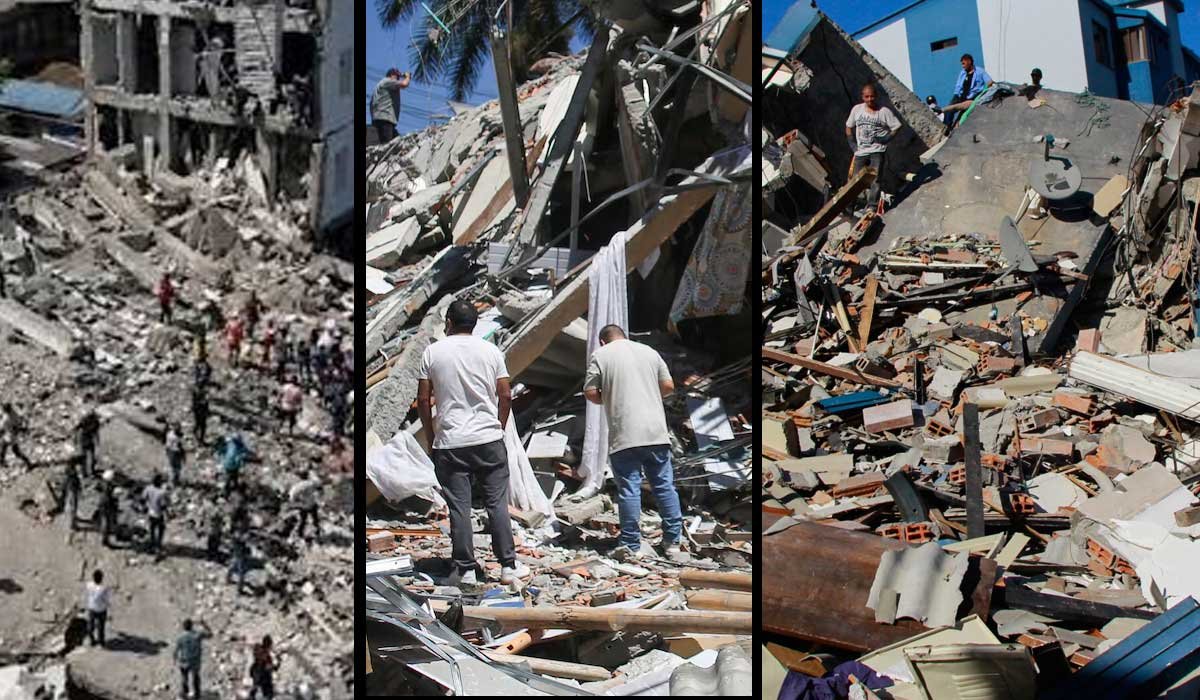
A powerful 7.4-magnitude earthquake in western Colombia has caused widespread destruction, with the reported death toll continuing to rise as rescue teams search damaged buildings for survivors.
The earthquake struck early Monday and severely affected parts of western Colombia, including Cali, Pereira, Chocó and communities across the country’s coffee-growing areas. Homes, buildings and essential infrastructure were damaged, leaving thousands of people facing displacement and uncertainty.
The initial death toll was reported at 240, while later reports placed the figure at 254. Authorities have warned that the number could change as rescue teams reach more affected areas and verify information.
Related Post

Rescue Teams Search for Survivors
Emergency workers, volunteers and local authorities have been working through rubble to locate people who may still be trapped.
Rescue crews have used heavy machinery as well as manual searches, with teams sometimes asking crowds to remain silent so they can listen for possible signs of life beneath collapsed structures.
In one of the more hopeful developments, rescuers reportedly managed to pull a woman alive from the rubble in Cali.
However, rescue operations remain challenging in remote communities where roads, electricity, communications and other essential services have been disrupted.
More than 100 aftershocks have also been recorded, creating additional risks for residents and emergency workers.
Cali and Pereira Among the Worst-Affected Areas
Cali, one of Colombia’s largest cities, suffered significant damage following the earthquake. Residential buildings were among the structures affected, while emergency teams worked to treat injured residents and recover victims.
Pereira, located in Colombia’s coffee-growing region, was also heavily affected.
Other communities across western Colombia have reported damage, with some areas struggling to receive emergency assistance because of difficult terrain and damaged transport routes.
The Chocó region has faced particularly serious challenges, with communities near the earthquake’s epicentre experiencing disruptions to electricity, water, gas and medical supplies.
Thousands Face Displacement
The earthquake has forced many residents from their homes.
While some buildings were completely destroyed, others suffered structural damage and may be unsafe to occupy until engineers complete inspections.
Families have been forced to stay with relatives, neighbours or in temporary shelters while authorities assess the damage.
Community facilities, including sports venues, have reportedly been prepared to accommodate people who cannot safely return home.
The disaster has also affected animal shelters, which have sought food, medicine and other supplies.
Remote Communities Face Greater Challenges
The earthquake’s impact has been particularly difficult for remote communities in Chocó.
Limited connectivity and damaged infrastructure have made it harder for residents to communicate with relatives and emergency authorities.
Access to medical care, food, clean water and other necessities is also more difficult in isolated areas.
Emergency officials now face the challenge of reaching these communities while continuing search-and-rescue operations in larger population centres.
Government Responds
Colombia’s newly inaugurated President Abelardo De La Espriella travelled to affected areas following the earthquake and pledged economic assistance for people who lost their homes.
The disaster has become one of the earliest major challenges for the country’s new administration.
Government agencies and emergency services are expected to continue assessing damaged infrastructure and identifying communities requiring urgent assistance.
Authorities have also warned that establishing the final number of casualties could take time because communications remain unreliable in some affected areas.
Colombia Faces a Long Recovery
Once the immediate rescue operation ends, Colombia will face a significant recovery effort.
Thousands of residents may require temporary or permanent housing, while damaged schools, hospitals, businesses and community facilities will need to be assessed and repaired.
Roads and other essential infrastructure will also require restoration, particularly in remote areas where access remains difficult.
The earthquake has disrupted everyday life across several regions, and recovery could take months or longer for the communities that suffered the greatest damage.
For now, the priority remains finding survivors, treating the injured and delivering essential assistance to communities affected by the disaster.
Disclaimer: This article is a copyright-safe news rewrite based on publicly reported information. Earthquake casualty figures are developing and may change as authorities verify the situation.
FAQs
How strong was the Colombia earthquake?
The earthquake measured 7.4 in magnitude and struck western Colombia.
How many people have died in the Colombia earthquake?
The reported death toll has risen from the initial figure of 240, with later reports putting the number at 254. The figure may continue to change.
Which areas were affected?
Cali, Pereira, Chocó and surrounding communities were among the affected areas.
Are rescue operations still continuing?
Yes. Emergency teams and volunteers are continuing to search damaged and collapsed buildings for survivors.
Why can the death toll change?
Difficult access, communication problems, ongoing rescue operations and the discovery of missing people can all affect the reported casualty figures.
Explore more Global News and the latest international updates on NZ Indian Insights.