

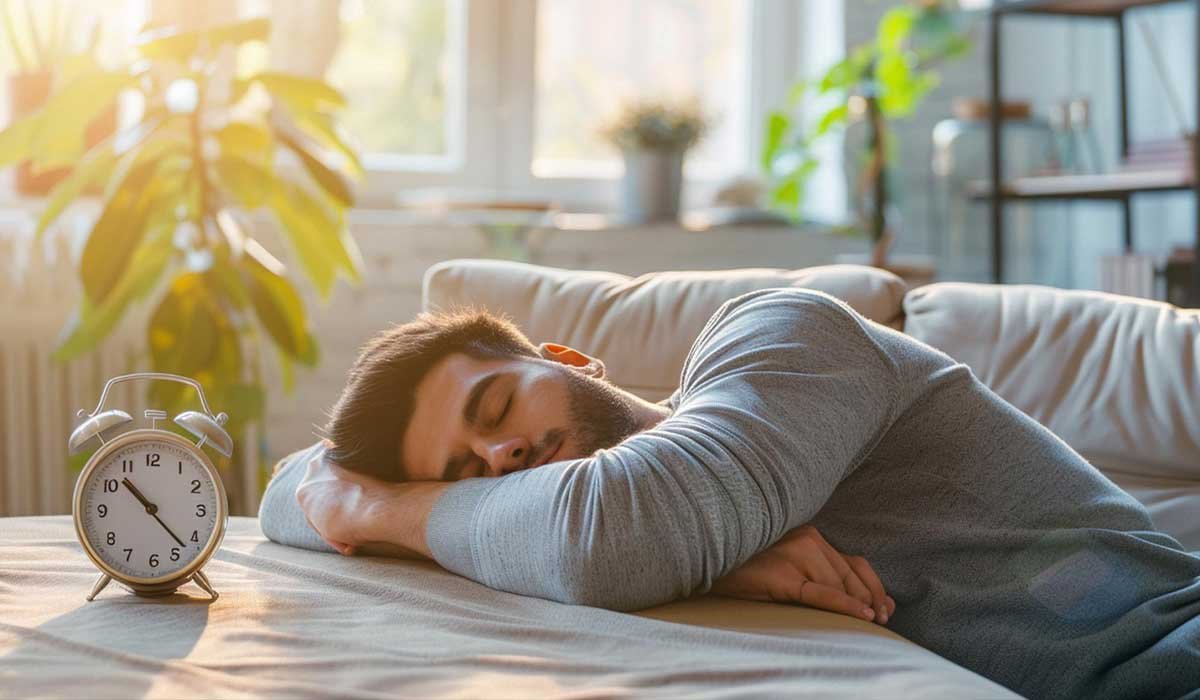
In today’s hyperconnected world, screens rarely switch off. Late-night scrolling, work notifications, and endless streaming make it harder than ever to get quality sleep. Yet, good sleep remains one of the most powerful tools for mental clarity, physical health, and daily performance. Building a healthy sleep routine in an always-online world isn’t about disconnecting completely-it’s about creating smarter boundaries.
Why Sleep Is Suffering in a Digital-First Lifestyle
Our brains are not designed for constant stimulation. Blue light from screens delays melatonin release, the hormone that signals your body to sleep. On top of that, social media, emails, and news updates keep the mind alert when it should be winding down. Over time, this leads to irregular sleep patterns, poor sleep quality, and daytime fatigue.
Simple Habits That Improve Sleep Quality
A healthy sleep routine starts with consistency. Try to go to bed and wake up at the same time every day, even on weekends. This trains your internal clock and makes falling asleep easier.




Creating a pre-sleep ritual also helps. Gentle activities like reading, light stretching, or listening to calming music can signal your body that it’s time to rest. Keep your bedroom cool, dark, and quiet to support deeper sleep.
Managing Screen Time Without Going Offline
Going fully offline isn’t realistic for most people. Instead, set a digital curfew. Aim to reduce screen use at least 60 minutes before bedtime. If that’s not possible, use night mode or blue light filters on your devices.
Turning off non-essential notifications at night can prevent sleep disruptions. Small changes, such as charging your phone away from the bed, can make a big difference in reducing late-night screen temptation.
Daytime Choices That Shape Your Night
Good sleep starts during the day. Regular physical activity improves sleep quality, but intense workouts late at night may keep you awake. Caffeine intake should be limited in the afternoon and evening, as it stays in your system longer than many people realize.
Sunlight exposure in the morning helps regulate your body clock, making it easier to fall asleep at night. Even a short walk outside can reset your rhythm.
Making Sleep a Priority in a Busy World
In an always-online culture, sleep is often seen as optional. But treating sleep as a non-negotiable part of your routine can improve focus, mood, and overall health. Productivity doesn’t come from staying up late—it comes from being well-rested and mentally sharp.
FAQs:
How many hours of sleep do adults really need?
Most adults need 7–9 hours of sleep per night for optimal health and performance.
Does using a phone before bed really affect sleep?
Yes. Screen light and mental stimulation can delay sleep and reduce sleep quality.
What is a digital curfew?
A digital curfew means setting a fixed time to stop using screens before bed, usually 30–60 minutes earlier.
Can naps replace lost nighttime sleep?
Short naps can help with alertness, but they don’t fully replace the benefits of consistent nighttime sleep.
Disclaimer
This content is for general information only and is not a substitute for professional medical advice. If you have ongoing sleep issues, consult a qualified healthcare professional.
Explore more lifestyle tips and trends in our Lifestyle Blog for daily inspiration!