

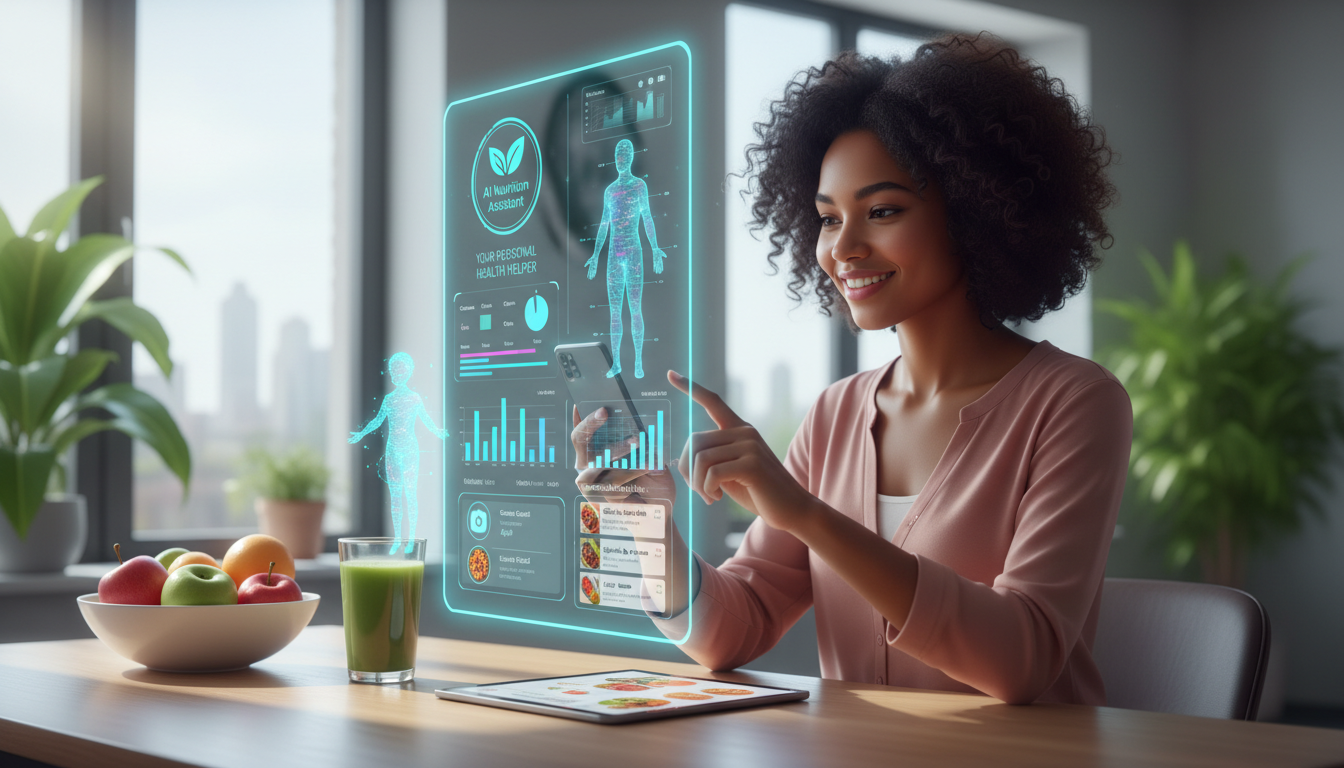
Healthy eating is becoming easier with technology! AI nutrition assistants are smart tools or apps that recommend meals based on your body, health goals, and food preferences. They are now gaining popularity in New Zealand among people who want to eat healthier, save time, or manage specific health conditions.
These AI-powered tools use your personal data, like age, weight, allergies, daily activity, and taste preferences, to suggest meals, snacks, and drinks that are tailored just for you. Some apps even track calories, nutrients, and hydration, and can create weekly meal plans or grocery lists automatically.
How AI Nutrition Assistants Work
- Collecting Your Health Data: You enter basic information, such as age, weight, height, allergies, and dietary preferences. Some apps sync with fitness trackers or smartwatches to get activity levels and sleep data.
- Analyzing Your Needs: The AI examines your data to understand your nutritional needs. For example, if you are low on iron, it might suggest foods rich in iron.
- Meal Recommendations: Based on your health and taste, it suggests breakfast, lunch, dinner, and snacks. Some assistants even recommend recipes you can cook at home.
- Tracking Progress: Some apps monitor your daily intake and provide feedback to help you stay on track with your goals.
Pros of Using AI Nutrition Assistants
- Personalized Meals: Every recommendation is tailored to your body and goals.
- Time-Saving: AI can plan meals for the week in minutes.
- Encourages Healthy Habits: Helps track calories, nutrients, and hydration.
- Variety and Creativity: Introduces new recipes and foods you might not have tried.
- Supports Health Goals: Can help with weight management, fitness, or managing certain conditions like high cholesterol.
Cons of Using AI Nutrition Assistants
- Not a Substitute for Professionals: AI cannot replace advice from a dietitian or doctor, especially if you have chronic conditions.
- Data Privacy: Your health and personal data are stored in the app, which could be a privacy concern.
- Over-Reliance on Technology: Some users may depend too much on AI and ignore their instincts or body signals.
- Limited Flexibility: AI may suggest meals you cannot access or afford locally in New Zealand.
- Generic Recommendations: Some AI assistants may not fully understand cultural foods or Indian dietary habits.
Tips to Get the Most Out of AI Nutrition Assistants
- Always enter accurate health and lifestyle information for better recommendations.
- Combine AI suggestions with your personal taste and cultural preferences.
- Use the AI as a guide, not a strict rulebook.
- Regularly consult a doctor or nutritionist for medical advice, especially if you have health issues.
FAQs About AI Nutrition Assistants
Q1: Are AI meal recommendations safe for everyone?
A1: Most people can safely use AI nutrition apps. But consult a doctor if you have medical conditions or strict dietary needs.




Q2: Can AI completely replace a dietitian?
A2: No. AI helps guide your food choices, but a professional can give personalized medical advice.
Q3: Do I need special devices to use AI nutrition assistants?
A3: No, most apps work on smartphones, tablets, or computers. Some integrate with fitness trackers or smartwatches.
Q4: Can AI help me lose weight or build muscle?
A4: Yes. AI can suggest portion sizes, calorie targets, and nutrient intake. But results depend on consistent activity and lifestyle habits.
Q5: Are AI nutrition assistants good for families?
A5: Yes. Some apps can create meal plans for multiple people, including children or elderly family members, adjusting for allergies and preferences.
Disclaimer
The information in this article is for educational purposes only. It is not a substitute for professional medical advice. Always consult a qualified healthcare provider before making any changes to your diet, exercise, or lifestyle, especially if you have health conditions.