

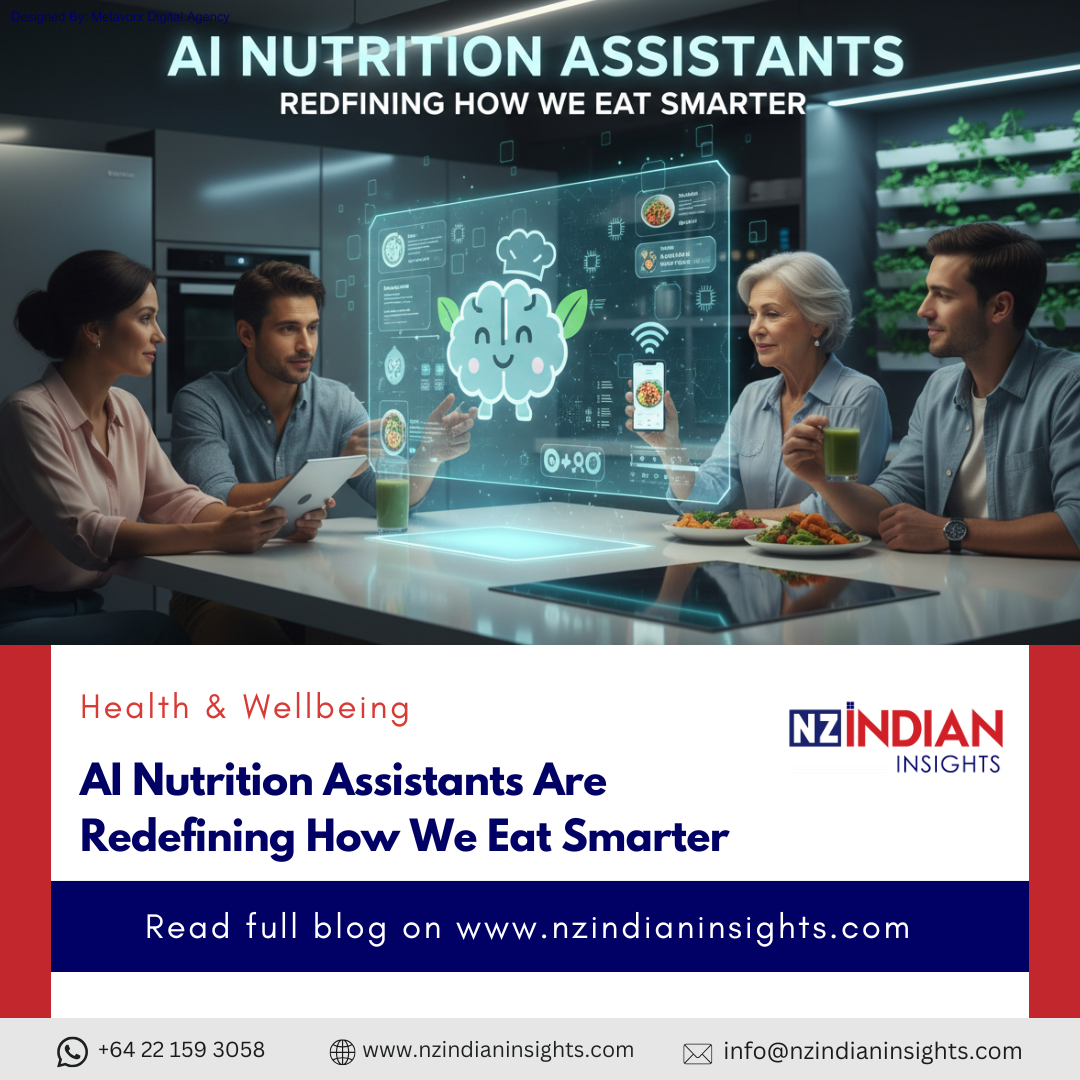
Artificial intelligence is steadily becoming part of everyday life, and now it’s making a strong impact on what ends up on our plates. AI-driven nutrition assistants are emerging as powerful tools that help individuals choose meals tailored to their health goals, dietary preferences, and personal data.
By combining technology with nutritional science, these digital assistants aim to make healthy eating simpler, more personalised, and more accessible than ever before.
What Are AI Nutrition Assistants?
AI nutrition assistants are smart platforms or apps that analyse user-provided information such as age, weight, dietary habits, allergies, fitness goals, and even medical data when available. Using this information, they generate customised meal recommendations that align with individual needs.




Unlike traditional diet plans, these tools adapt continuously, learning from user feedback and changing health patterns over time.
How Personal Health Data Shapes Meal Recommendations
One of the key strengths of AI nutrition tools lies in their ability to process complex health data. Inputs may include:
- Food preferences and cultural eating habits
- Health conditions like diabetes or heart concerns
- Fitness and activity levels
- Nutritional goals such as weight management or muscle gain
By analysing this data, AI systems can suggest balanced meals, portion sizes, and even nutrient timing to support long-term wellness.
Why This Matters for Busy Lifestyles
For many people, especially working professionals and families, planning nutritious meals can be time-consuming. AI nutrition assistants help bridge this gap by offering quick, reliable suggestions without the need for constant manual tracking.
This technology is particularly appealing to users who want healthier choices without following restrictive or one-size-fits-all diets.
Growing Interest in New Zealand and Indian Communities
In multicultural regions like New Zealand, where diverse food traditions coexist, AI-based nutrition tools are gaining attention for their ability to respect cultural preferences while promoting healthier eating. For Indian communities, this means meal suggestions that can align with vegetarian diets, spice preferences, and traditional foods—without compromising nutritional balance.
Privacy and Accuracy Remain Key Considerations
While the benefits are promising, experts emphasise the importance of data security and accuracy. Users are encouraged to choose platforms that clearly explain how personal data is stored and used. Nutrition professionals also suggest treating AI recommendations as guidance rather than medical advice.
The Future of Personalised Nutrition
As technology evolves, AI nutrition assistants are expected to become even more sophisticated, potentially integrating with wearable devices, grocery delivery services, and healthcare platforms. This could lead to real-time dietary adjustments based on activity levels, stress, or sleep patterns.
The shift signals a future where eating well is not just informed—but intelligently guided.
FAQs:
Are AI nutrition assistants suitable for everyone?
They can benefit many people, but individuals with medical conditions should consult healthcare professionals before making major dietary changes.
Do these tools replace dietitians?
AI assistants complement professional advice but do not replace qualified nutrition experts.
Can AI tools support cultural and vegetarian diets?
Yes. Many platforms are designed to adapt to cultural preferences, including vegetarian and plant-based eating patterns
.
Disclaimer
This article is for informational purposes only and does not constitute medical or dietary advice. Readers should consult qualified healthcare or nutrition professionals before making significant changes to their diet or lifestyle.